

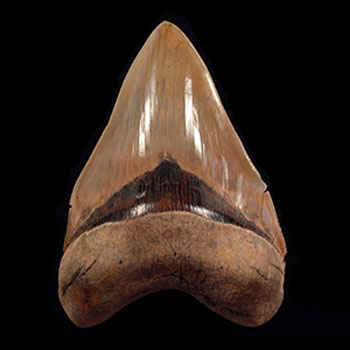
Collectors and fossil buyers want more than a big tooth. They want to own something real, something that carries the weight of time and truth. Teeth from the Otodus megalodon Copper Red Site stand apart for good reason. These fossils do not just offer impressive size or color. They provide natural evidence of a prehistoric predator. Buyers who understand what separates authentic from altered gain more than a rare specimen. They gain confidence in their investment and pride in their collection. Professionals trust their tools, eyes, and field knowledge to identify the real from the rest.
What Makes the Copper Red Color Stand Out
Color is the first visible clue that draws attention to a fossil tooth. Experts who work with Site 25 fossils pay close attention to color depth and texture. An actual Copper Red Megalodon tooth features a natural red to reddish-brown tone. That comes from iron-rich soil where the Tooth fossilized over time. The tone runs through both the enamel and root, not just on the surface. This color does not appear to have been painted or treated. It varies naturally, with richer shades near the crown and a slight fading toward the base. Professionals notice the irregularity of the color. Uniform shades often mean artificial coloring. Real Copper Red teeth display uneven tones because nature rarely leaves perfect patterns. A magnifying lens usually reveals how deeply the coloration is embedded within the material. That makes the difference easy to spot once you know what to look for.
Why Touch and Weight Tell a Clear Story?
Handling a fossil helps experts judge its authenticity within seconds. Real teeth feel solid and well-balanced. Site 25 fossils carry mineral density that you can feel the moment you pick them up. Enamel feels smooth but never slippery or glassy. The root usually holds a gritty texture that contrasts with the smoother upper surface.
Fakes often feel too light or soft. Many reproductions use resin or composite molds, which fail to match the authentic density of fossilized material. Experts run their fingers across every surface. They rely on muscle memory and years of handling to decide whether a tooth feels real. Texture and weight always provide reliable evidence.
How Site-Specific Soil Leaves a Unique Mark?
Geological location matters more than people realize. The Otodus megalodon Copper Red Site gives teeth a distinct fingerprint through sediment. Many authentic fossils from this location still carry fine grains of original soil in cracks and root textures. These grains offer silent confirmation. Professionals use light magnification to examine residue trapped inside the Tooth. If that sediment matches what experts expect from Site 25, they move one step closer to confirmation. If the residue looks off or is absent, they ask questions. Site-specific characteristics never lie when properly examined.
Clues in Wear Patterns and Natural Surface Marks
Natural Megalodon teeth do not look factory-fresh. Time and use leave behind subtle signs. Professional fossil hunters know exactly where to look.
● Enamel edges may show minor feeding nicks or abrasions.
● Surfaces may carry micro-scratches from ocean sediment or pressure.
● The root might display gentle erosion that follows the natural shape.
● A dull polish usually reflects mineralization, not artificial shine.
● Real teeth rarely show mirror-like finishes unless someone altered them.
These signs do not reduce value. They increase it. They show the Tooth has history, not polish. Professionals look for wear, not perfection. That is where truth hides.
Provenance helps, but cannot replace the Tooth Itself
Collectors often trust paperwork when buying a fossil, but professionals do not stop there. While provenance provides context, the Tooth must stand on its own. Experts always start with what they can observe. They study the structure, weight, color, and texture of the material. Then, they use documentation to back up those physical findings. Site 25 teeth often come with basic collection data. That helps confirm location, but never substitutes for physical inspection. A real fossil speaks for itself. The best experts trust their tools and experience before they trust a certificate.
Recognizing What Professionals Avoid
Professionals also learn what to reject. Inexperienced buyers sometimes chase perfection, but experts prefer teeth with honest flaws. They avoid features that signal artificial tampering. Here are a few traits they stay away from:
● Unnatural surface shine that looks polished or coated.
● Perfectly even color with no mineral gradient.
● Tool marks along the root or base.
● Hollow sound when tapped lightly.
● Extremely lightweight or uneven mass.
These warning signs often reveal restoration or imitation. Experts act quickly when they see one or more of these traits. They walk away or request verification from a trusted source.
Why Does Otodus Megalodon Teeth Deserve This Attention?
These teeth come from one of the most prized locations for Megalodon fossils. Collectors admire them not only for their beauty but for their origin. The site produces specimens with vivid hues, excellent preservation, and rich historical context. Professionals go the extra mile when authenticating them because they know how easily demand invites forgery.
By placing these teeth under proper examination, collectors protect their investment and raise the standard for others. Professionals do not cut corners. They teach what they know, and they pass that knowledge on through every Tooth they examine and every collector they educate.
Closing Insight for Collectors
You do not need to become a fossil expert overnight. But if you learn what to observe, what to question, and what to trust, you can grow into a knowledgeable buyer. Otodus megalodon Copper Red Site teeth stand out in appearance and value. Their color, weight, texture, wear, and geological clues tell a story that no replica can match.
Professionals work hard to preserve that story. They rely on skill, not shortcuts. As a collector, when you follow their lead, you protect more than a tooth. You protect a small piece of deep Earth history and give it a respected place in the present.
Footnote
Otodus megalodon fossils offer collectors rich color, weight, and origin markers that distinguish them. Authentic examples carry physical evidence that reflects the actual passage of time beneath the earth.






